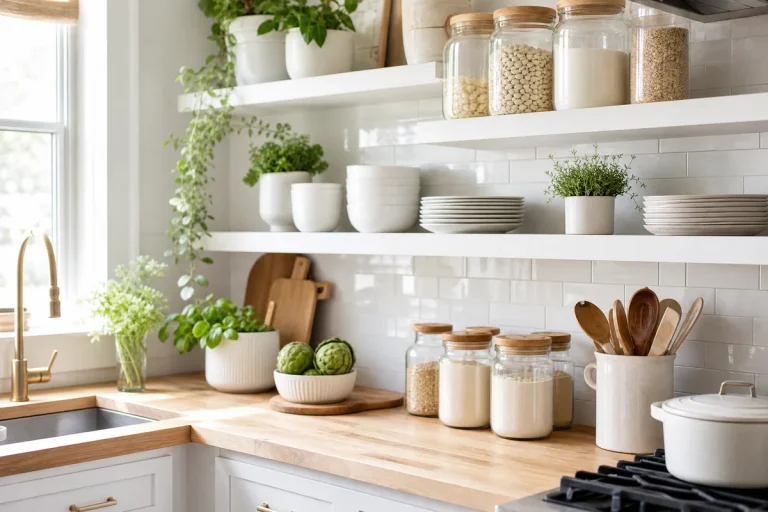
Small Kitchen Design Ideas: The Beginner’s Guide
Walking into a tiny kitchen for the first time as a new homeowner or renter can feel equal parts exciting and overwhelming — especially when you’re not sure where to even begin. The good news? A small kitchen doesn’t have to mean a frustrating kitchen. With the right small kitchen design ideas, a compact space can actually be one of the most efficient, stylish, and functional rooms in your home.
Key Takeaways
- The kitchen work triangle is the foundational design principle that makes small kitchens flow smoothly and efficiently.
- Choosing the right layout — galley, L-shape, or single-wall — makes a dramatic difference in a compact kitchen’s usability.
- Right-sizing your appliances can free up significant counter and floor space without sacrificing cooking capability.
- Vertical space and smart storage are your greatest allies when square footage is limited.
- Even on a tight budget, thoughtful design decisions can make a small kitchen feel surprisingly spacious and well-organized.
What Is the Kitchen Work Triangle and Why It Matters
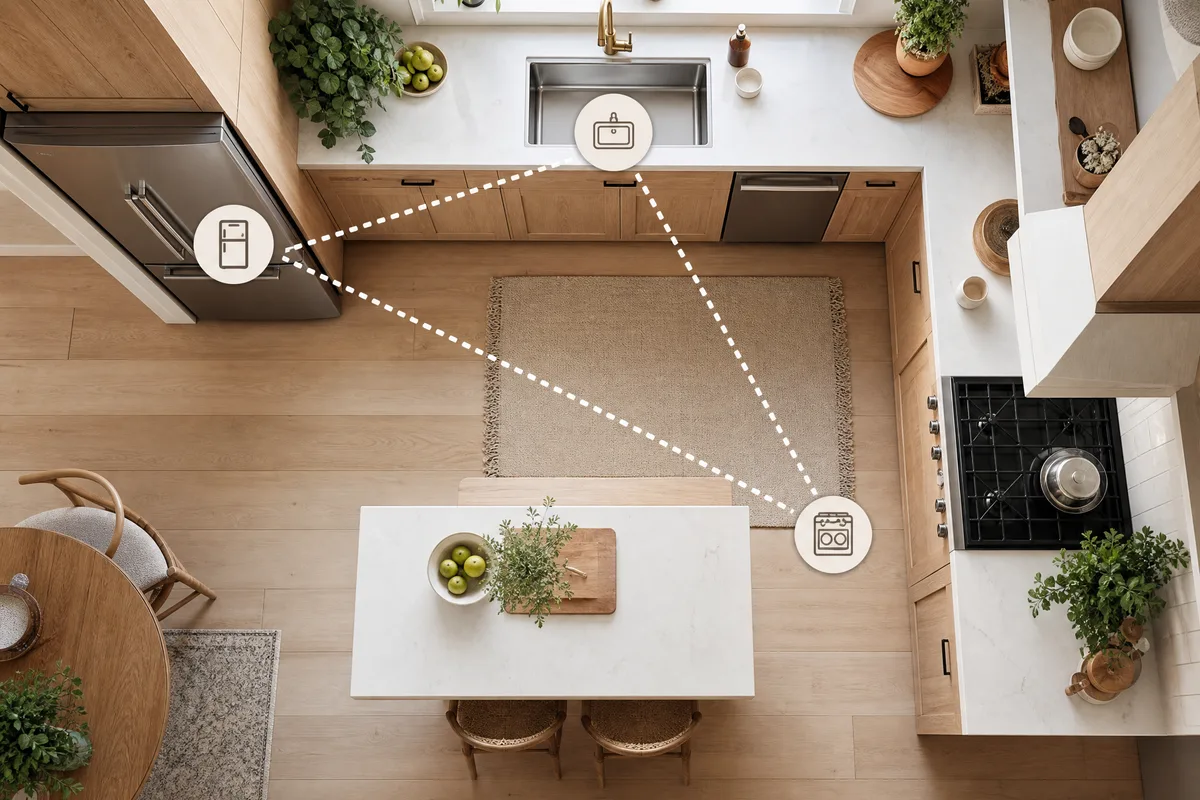
If there’s one design concept every beginner should know before rearranging a single cabinet, it’s the kitchen work triangle. Developed by researchers at the University of Illinois in the mid-20th century, the kitchen work triangle connects your three primary work zones — the refrigerator (food storage), the sink (prep and cleanup), and the stove or cooktop (cooking). The idea is that these three points should form a triangle that allows you to move between them efficiently without unnecessary steps or obstacles.
In a small kitchen, the work triangle becomes even more critical because you have less room to course-correct a bad layout. Here are the general guidelines to follow:
- Each leg of the triangle should measure between 4 and 9 feet.
- The total combined length of all three legs should fall between 13 and 26 feet.
- No major traffic path should cut through the triangle.
- No obstacles like an island, table, or door should interrupt the flow between the three points.
Even if you’re renting and can’t move appliances, understanding your existing work triangle helps you optimize how you use counter space, where you place prep tools, and how you organize your daily cooking routine. If your triangle feels cramped or inefficient, small adjustments — like moving your dish rack or repositioning a rolling cart — can genuinely improve the flow.
Best Layout Types for Small Kitchens
Not all kitchen layouts are created equal, and choosing (or recognizing) the right one for your space is one of the most important small kitchen design ideas you can apply. Here’s a breakdown of the layouts most suited to compact kitchens:
The Galley Kitchen
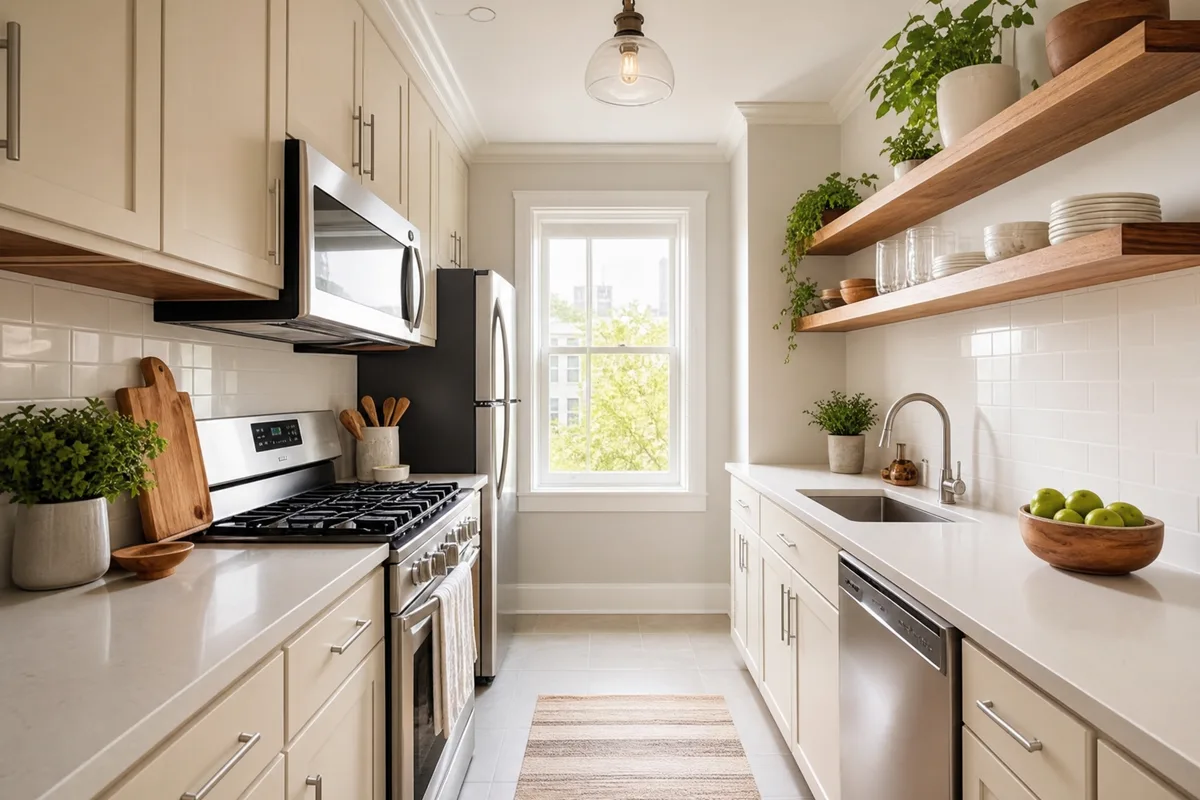
A galley kitchen features two parallel countertops facing each other with a walkway in between — and it’s widely considered the most efficient layout for small spaces. Everything is within easy reach, and the work triangle is naturally compressed. The main challenge is that it can feel tunnel-like, but strategic lighting and open shelving can counteract that. If you have a narrow kitchen that runs the length of a wall, this is likely your layout.
The L-Shaped Kitchen
An L-shaped layout uses two adjacent walls to create an open corner workspace. It’s ideal for kitchens that open into a dining or living area because it allows for a natural flow between spaces. The corner can sometimes become a storage dead zone, but with the right organizers (lazy Susans, pull-out drawers), that corner becomes valuable real estate.
The Single-Wall Kitchen
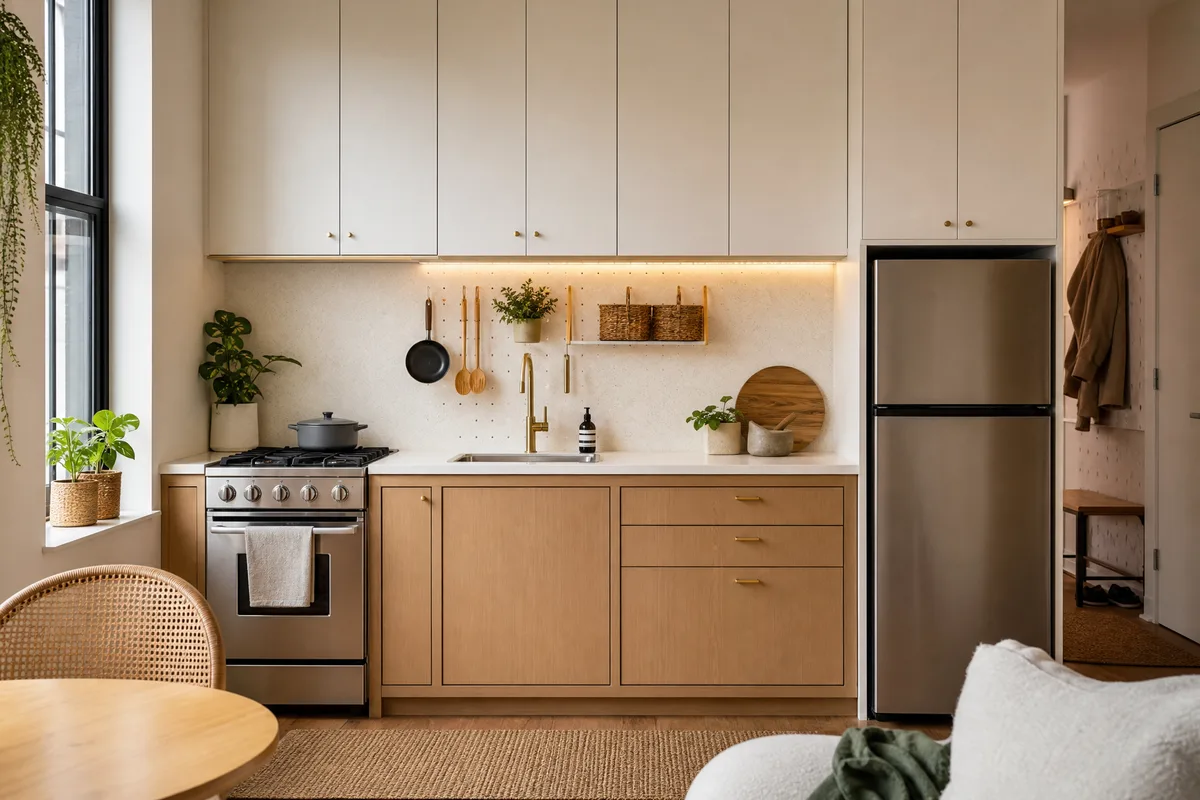
Common in studio apartments and micro-homes, the single-wall kitchen lines everything up along one wall. It’s space-efficient and keeps the room open, but counter space is limited. The fix? A rolling kitchen island or a fold-down counter extension can dramatically expand your work surface when needed.
The U-Shaped Kitchen
While typically associated with larger kitchens, a compact U-shape can work beautifully in a small square kitchen. It maximizes storage and counter space on three walls, but you’ll need at least 8 feet of width to avoid feeling boxed in. If your U-shape is too tight, consider removing upper cabinets on one side and replacing them with open shelving to create visual breathing room.
Smart Appliance Sizing for Compact Spaces
One of the most common mistakes first-time homeowners make is filling a small kitchen with full-size appliances. A standard 30-inch range and a French door refrigerator might be dream items, but in a 100-square-foot kitchen, they become space hogs that make cooking feel like a chore. Here’s how to think about appliance sizing more strategically:
Refrigerators
Counter-depth refrigerators (typically 24 inches deep vs. the standard 30-33 inches) can reclaim several precious inches of floor space and create a much cleaner visual line in a small kitchen. If you live alone or with one other person, a 18-24 cubic foot fridge is genuinely sufficient. One underrated tip: reversing your fridge door swing can completely transform how your kitchen flows — something worth investigating before you assume you need a new unit.
Ranges and Cooktops
A 24-inch range instead of the standard 30-inch can free up six full inches of counter space. If you rarely use the oven, a two-burner induction cooktop combined with a countertop convection oven gives you serious cooking power in a fraction of the space. Induction cooktops are also flat and easy to use as additional prep space when not cooking — a double-duty win in compact kitchens.
Dishwashers
An 18-inch slimline dishwasher is a game-changer for small kitchens. It handles the dishes of 1-3 people efficiently and fits into spaces where a standard 24-inch model simply won’t. Countertop dishwashers are another option that requires zero installation and can be tucked away when not in use.
Storage Solutions That Actually Work
When you’re working with limited square footage, the instinct is to add more — more shelves, more organizers, more baskets. But thoughtful storage is actually about using what you have more intelligently. If you’re struggling with where to put everything, our detailed guide on how to organize a small kitchen with zero extra storage is a great complement to the design principles here.
A few foundational storage strategies every beginner should know:
- Go vertical: Install shelving or hooks all the way up to the ceiling. Most people waste 12-18 inches of valuable wall space above their upper cabinets.
- Use the inside of cabinet doors: Magnetic spice racks, small hooks, and mounted organizers turn dead space into functional storage instantly.
- Drawer dividers are non-negotiable: A junk drawer becomes a well-organized utensil zone with a $10 divider.
- Decant dry goods: Transferring flour, pasta, and rice into clear stackable containers reclaims significant pantry and cabinet depth.
- Use a pegboard: Mounting a painted pegboard on an empty wall lets you hang pots, utensils, and even small shelves in a customizable, renter-friendly way.
Visual Tricks to Make a Small Kitchen Feel Bigger
Design isn’t just about function — the way a kitchen looks affects how it feels to be in it every day. Some of the best small kitchen design ideas are purely visual strategies that create the illusion of more space:
- Light colors on walls and cabinets: White, soft gray, and warm cream reflect light and push walls back visually. If you love color, use it as an accent rather than the dominant tone.
- Consistent flooring: Running the same floor material from your kitchen into adjacent spaces without a transition strip creates a seamless, expansive feel.
- Under-cabinet lighting: This eliminates the dark, heavy shadow that upper cabinets cast over countertops, making the space feel brighter and more open.
- Handleless cabinets or simple hardware: Busy hardware adds visual clutter. Sleek or minimal hardware keeps the eye moving smoothly across surfaces.
- A mirrored or glass backsplash: Reflective surfaces bounce light around beautifully in small kitchens.
For more inspiration on visually expanding small spaces, these 15 small kitchen ideas that make tiny spaces feel huge offer a great visual reference point.
Common Beginner Mistakes to Avoid
Even well-intentioned design choices can backfire in a small kitchen. Here are the mistakes that trip up first-timers most often:
- Overcrowding countertops: Every small appliance you leave out permanently competes for your prep space. Store what you use less than three times a week.
- Ignoring the work triangle: Placing the trash can between the stove and sink, or putting a rolling cart in the middle of the pathway, breaks the flow and creates daily frustration.
- Buying furniture that’s too large: A dining table that seats six in a kitchen meant for two isn’t cozy — it’s cramped. Scale your furniture to the space, not your wishlist.
- Skipping the planning phase: Measure everything before you buy anything. Even a few inches matter enormously in a compact kitchen.
- Ignoring ventilation: Small kitchens trap cooking odors and steam faster than large ones. A good range hood or even a quality window fan makes a real difference in comfort.
Easy Upgrades That Make a Big Impact
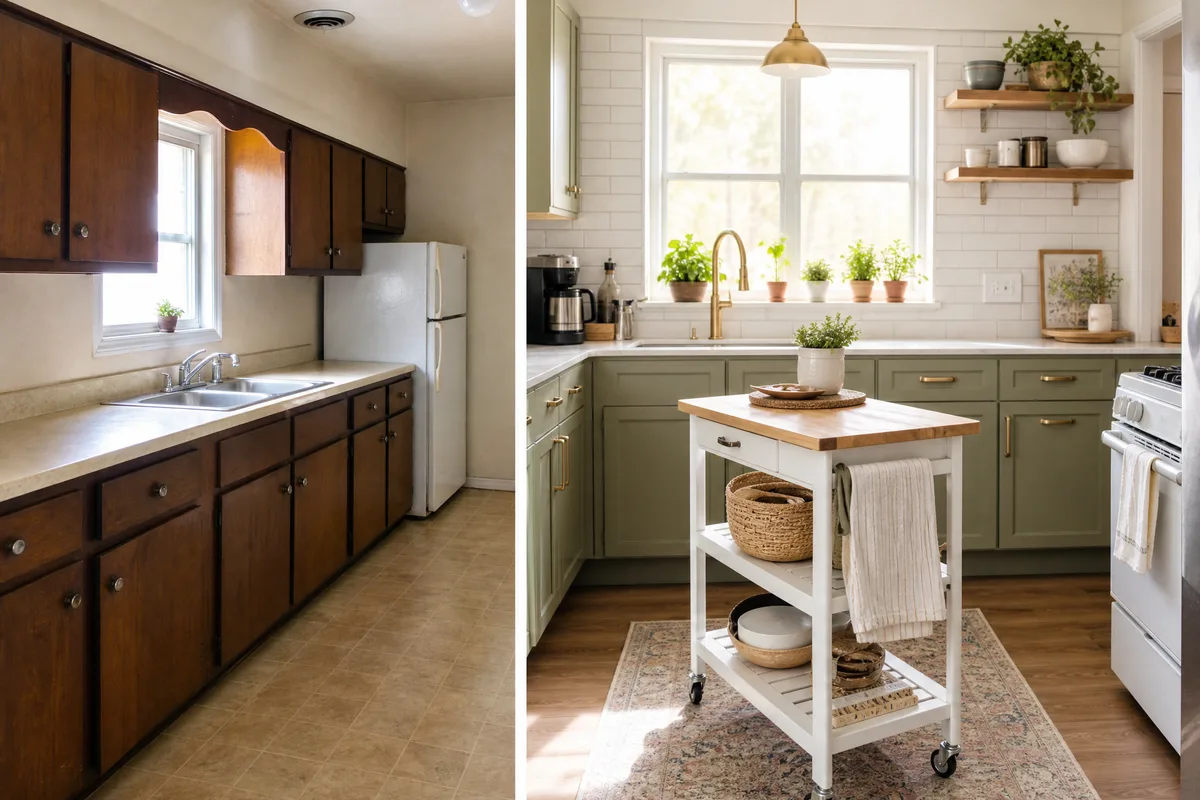
If you’re renting or working with a limited budget, big structural changes aren’t always possible — but that doesn’t mean you’re stuck. Some of the most effective small kitchen design ideas are surprisingly affordable. A fresh coat of paint on cabinets, new hardware, and a peel-and-stick backsplash can completely transform the feel of a kitchen for well under $200. For budget-conscious inspiration, check out these small kitchen remodel ideas under $500 that look expensive — they prove you don’t need a big renovation budget to create a kitchen you love.
Other quick wins include swapping a dated light fixture for something modern, adding a small herb garden on a windowsill to bring life and fragrance into the space, and investing in a beautiful cutting board that doubles as counter decor. It’s these small, intentional choices that make a compact kitchen feel curated rather than cluttered.
Frequently Asked Questions
What is the most functional layout for a very small kitchen?
For most very small kitchens — under 100 square feet — the galley layout is considered the most functional because it keeps your work triangle tight and efficient. Everything you need is within a few steps, and both sides of the kitchen can be utilized for storage and counter space. If a galley isn’t possible, a single-wall layout with a rolling island for extra prep space is a strong second choice.
How do I make the most of counter space in a small kitchen?
The key is to be ruthless about what lives on your counter permanently. Only keep items you use daily — a coffee maker, a knife block, perhaps a cutting board. Everything else should be stored in cabinets or drawers. Fold-down counter extensions, over-sink cutting boards, and rolling carts can all add temporary work surface when you need it without permanently eating up space.
Can I add an island to a small kitchen?
Yes, but it needs to be the right size and type. A fixed island requires at least 42 inches of clearance on all sides for comfortable movement, which most small kitchens can’t accommodate. However, a slim rolling island (around 24 inches wide) can be wheeled in when cooking and tucked aside when not needed. Look for one with storage underneath and a butcher block top for maximum versatility.
What colors work best for small kitchen design?
Light, neutral colors are the most reliable choice for making a small kitchen feel open and airy — think white, soft ivory, light gray, or pale sage. That said, dark colors can also work beautifully if used intentionally, such as on lower cabinets only, or as an accent wall with the rest kept light. The most important principle is consistency: too many competing colors make a small space feel chaotic rather than cozy.
Conclusion
Designing a small kitchen doesn’t require a big budget or a complete renovation — it requires a clear understanding of how your space works and a few smart, intentional decisions. Start with the work triangle, choose a layout that honors your room’s natural shape, right-size your appliances, and layer in storage and visual tricks from there. Every compact kitchen has hidden potential; it just takes knowing where to look.
Whether you’re moving into your first apartment or finally tackling a kitchen that’s never quite worked for you, these small kitchen design ideas give you a practical, beginner-friendly roadmap to follow. Take it one step at a time, measure twice, and don’t underestimate what a few thoughtful changes can do. Your kitchen — however small — can absolutely be the most functional, welcoming space in your home. Ready to get started? Pick one section from this guide and take action today.