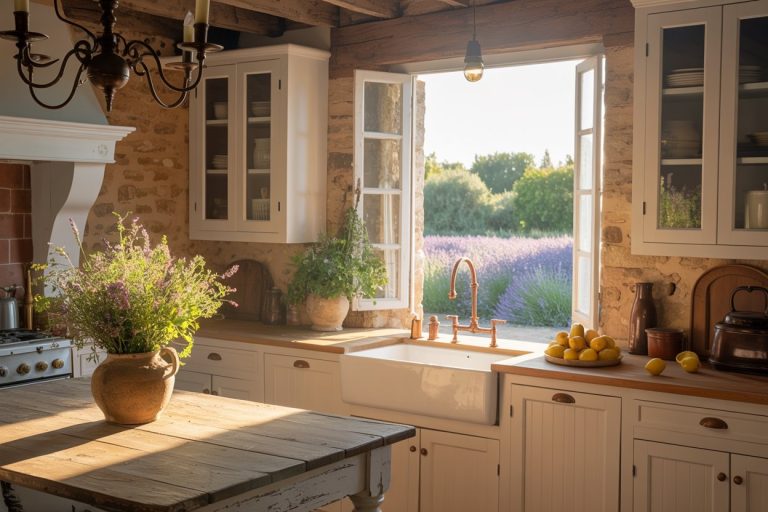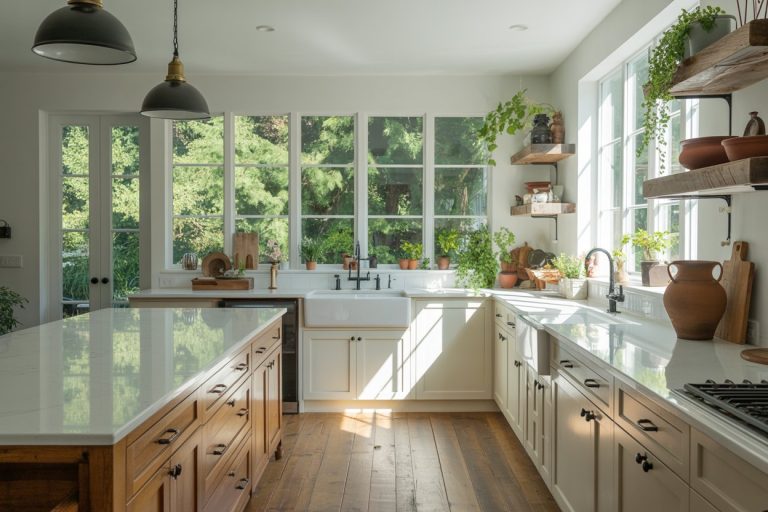
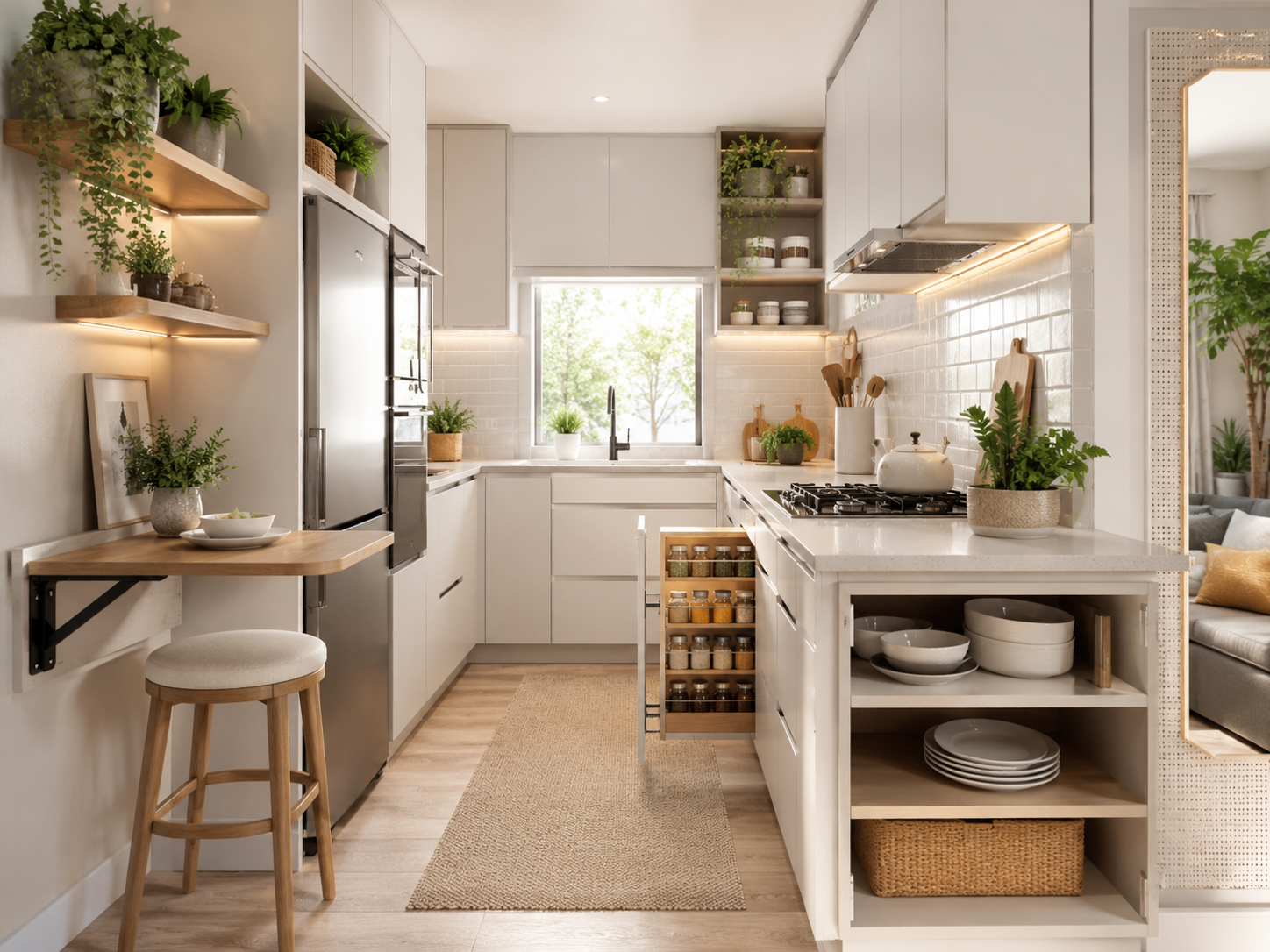
15 Small Kitchen Ideas That Make Tiny Spaces Feel Huge
A small kitchen doesn’t have to feel cramped, chaotic, or like a design afterthought — with the right small kitchen ideas, even the tiniest galley or apartment kitchen can feel open, airy, and surprisingly functional. Whether you’re working with 80 square feet or 150, the secret lies in mastering the illusion of space through thoughtful color choices, clever storage, and strategic lighting. These 15 real-world transformations will show you exactly how it’s done.
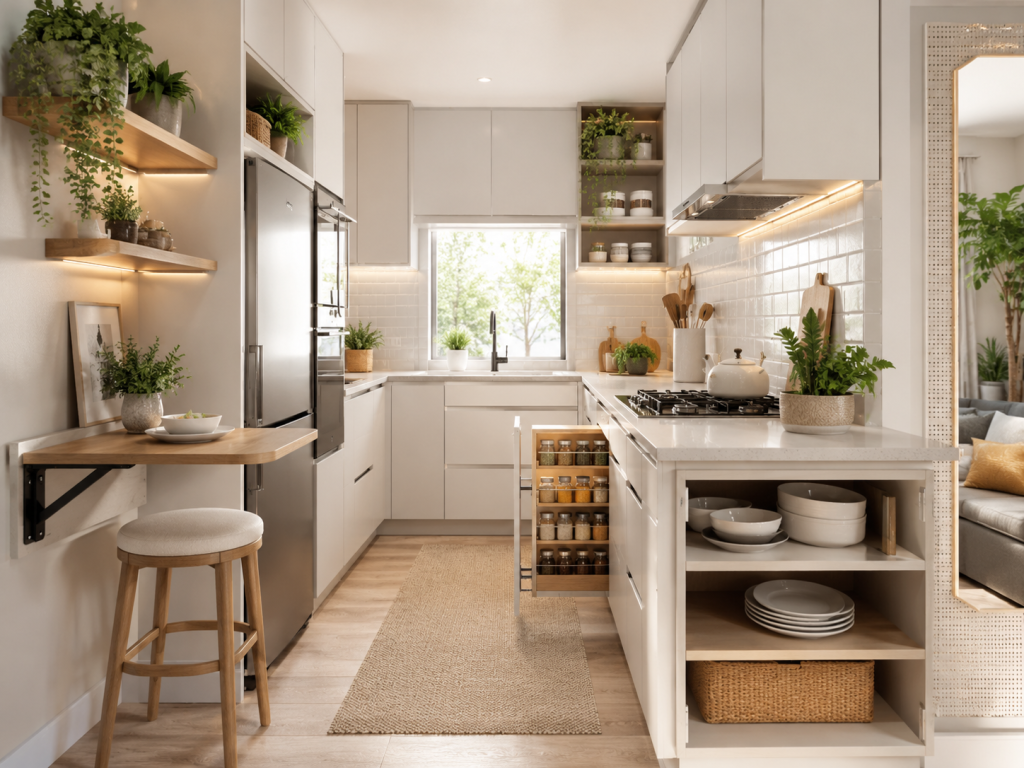
Key Takeaways
- Light colors, reflective surfaces, and smart lighting are the three pillars of making a small kitchen feel larger.
- Vertical storage and open shelving free up counter space without sacrificing functionality.
- Consistent cabinetry and countertop colors create a seamless, expansive look.
- Clever layout tweaks — like a rolling island or fold-down table — can dramatically increase usable space.
- Even small budget changes like new hardware, a fresh backsplash, or under-cabinet lighting can transform a cramped kitchen.
1. Use Light Colors to Open Up the Room
Nothing transforms a small kitchen faster than a fresh coat of the right paint. Light, airy colors — think soft white, warm cream, pale sage, or barely-there gray — bounce natural and artificial light around the room, making walls feel farther apart than they actually are. The key is to keep the palette cohesive: paint your walls, ceiling, and even your cabinets in the same family of tones to eliminate harsh visual breaks that chop up the space.
Pro Tip: Don’t stop at the walls. Painting your ceiling the same color as your walls (or one shade lighter) visually raises the ceiling height. It’s one of the most underrated tricks in small-space design. If you love the idea of color psychology in small rooms, check out our guide on small living room color ideas that make rooms look bigger — the same principles apply beautifully in a kitchen.
Common Mistake: Going too stark. Pure white can feel cold and clinical. Instead, opt for warm whites like Benjamin Moore’s White Dove or Sherwin-Williams Alabaster for a cozy-yet-open feel.
2. Swap Upper Cabinets for Open Shelving
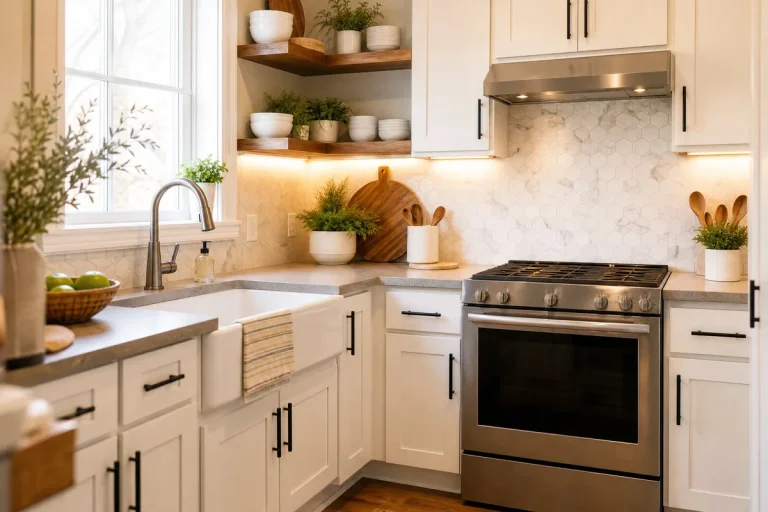
Closed upper cabinets create a visual wall that pushes in on a small kitchen. Replacing even a portion of them with open shelving immediately makes the room feel more breathable. Your eye travels through open shelves rather than stopping at a solid cabinet door, which adds perceived depth to the space.
Pro Tip: Style open shelves intentionally — keep only the prettiest and most frequently used items on display. Matching dishes, a few cookbooks, and a small plant create a curated look without visual clutter. Consider floating wood shelves with hidden brackets for the cleanest aesthetic.
3. Embrace Reflective and Glossy Surfaces
High-gloss cabinet finishes, polished stone countertops, and mirrored or metallic backsplash tiles all share one superpower: they reflect light. In a small kitchen, light reflection is your best friend. Every bit of light bouncing off a glossy surface multiplies the perceived brightness and square footage of the room.
Pro Tip: You don’t need to go all-in on gloss. Even swapping out a matte backsplash for a bright white glossy tile backsplash can make a noticeable difference. Subway tiles in a classic white glaze are timeless, affordable, and highly effective in small kitchens.
4. Layer Your Lighting for Depth
A single overhead light fixture is the enemy of a small kitchen. It creates flat, uniform illumination that actually flattens the space visually. Layered lighting — combining ambient, task, and accent lighting — adds depth, dimension, and a sense of expansiveness.
What to Add:
- Under-cabinet LED strips eliminate dark corners and illuminate your countertops beautifully.
- Recessed lights spread ambient light without taking up visual space the way a pendant might.
- A single statement pendant over a small island or dining nook adds personality without overwhelming.
Pro Tip: Install dimmer switches wherever possible. The ability to adjust light levels transforms a kitchen from a harsh work zone into a warm, inviting space in seconds. According to the U.S. Department of Energy, LED lighting is not only energy-efficient but also produces less heat — a bonus in a tiny kitchen where temperature control matters.
5. Go Vertical With Storage
When floor space is scarce, the only direction to go is up. Taking cabinets all the way to the ceiling maximizes every cubic inch of storage space and draws the eye upward, which makes ceilings feel higher. If ceiling-height cabinets aren’t in the budget, add a second row of open shelving above your existing uppers.
Other Vertical Storage Wins:
- Magnetic knife strips mounted on the wall
- Pegboards painted to match the wall for hanging pots, pans, and utensils
- Tall, slim pull-out pantry cabinets tucked beside the refrigerator
The same principle works wonders in adjacent rooms too — if you’re tackling a whole-home storage overhaul, our roundup of hidden storage ideas for small living rooms has plenty of inspiration that translates across spaces.
6. Choose Handle-Free or Seamless Cabinetry
Hardware — knobs, pulls, and handles — creates visual noise. In a small kitchen, that visual noise fragments the eye’s journey across the cabinetry and makes the space feel busier and smaller. Handle-free push-to-open cabinets, or recessed finger-pull designs, create a sleek, uninterrupted surface that reads as larger and more modern.
Pro Tip: If you love the look of hardware, choose long, slim bar pulls in a single finish. Consistency is key — mixing metals and styles in a small kitchen feels chaotic.
7. Rethink Your Layout for Flow
The classic kitchen work triangle (connecting the stove, sink, and refrigerator) exists for a reason — it minimizes movement and maximizes efficiency. In a small kitchen, respecting this triangle is even more important because unnecessary steps in a cramped space feel frustrating quickly.
Best Layouts for Small Kitchens:
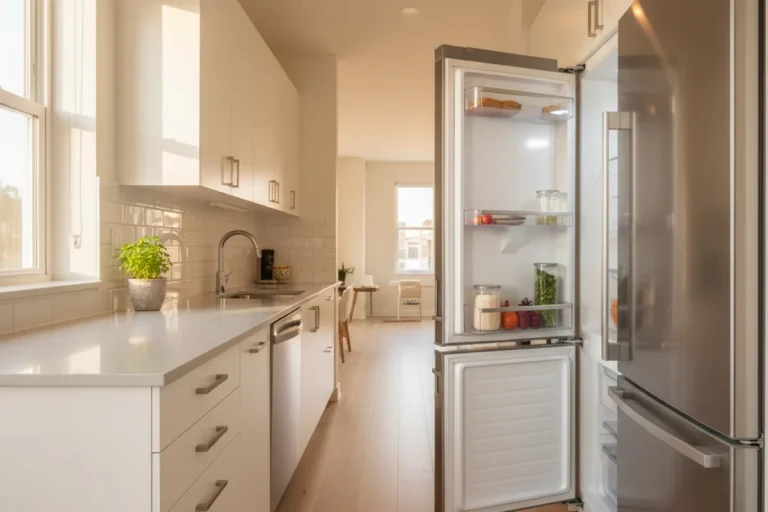
- Galley layout: Two parallel runs of cabinets are incredibly efficient and feel larger when one wall is lighter or more open.
- L-shape layout: Opens up floor space and allows for a small dining area in the corner.
- Single-wall layout: Best for very small spaces; keeps everything accessible without unnecessary movement.
If a full renovation is on your radar, our DIY kitchen remodel guide covers what professionals wish you knew before you start knocking down walls.
8. Add a Rolling Island or Fold-Down Table
A permanent kitchen island is a luxury in a small space, but a rolling butcher block cart gives you all the same benefits — extra prep space, storage below, and a social gathering spot — with the flexibility to tuck it away when you need to move around. Look for carts with drawers, shelves, and towel bars to maximize utility.
Fold-Down Option: A wall-mounted fold-down table or a Murphy-style countertop extension is a game-changer for tiny kitchens that double as dining areas. When folded down, it’s virtually invisible; when open, it seats two comfortably.
9. Use a Statement Backsplash Wisely
A backsplash is one of the most impactful (and relatively affordable) upgrades in a small kitchen. The key is knowing when to go bold and when to go subtle. A large-format tile in a light, neutral tone makes walls look taller and wider. A vertically stacked tile pattern draws the eye upward. A horizontal herringbone or brick-lay pattern widens the space.
Pro Tip: Extending your backsplash all the way to the ceiling on one wall (especially behind the range) creates a dramatic focal point that also makes the ceiling feel higher. If budget is a concern, peel-and-stick backsplash tiles have come a long way and can be an excellent temporary or rental-friendly solution.
10. Declutter and Edit Your Countertops
This one is free, and it might be the most powerful transformation on this list. Cluttered countertops are the single biggest reason small kitchens feel suffocating. Every appliance, utensil holder, and decorative item sitting on your counter takes up visual real estate. The goal is to have as much clear counter space as possible.
What to Keep Out: Coffee maker (if used daily), knife block or magnetic strip, a single plant or small herb pot. Everything else goes inside a cabinet or drawer. Yes, even the toaster. Store it and pull it out when needed.
11. Incorporate Mirrors and Glass Elements
Mirrors in a kitchen might feel unconventional, but they work. A mirrored or glass-paneled upper cabinet door reflects the room back on itself, doubling the visual space. Even a small mirror placed strategically — like on the end panel of a run of cabinets — adds unexpected depth.
Glass-Front Cabinets: These are a classic for a reason. They add lightness and the illusion of depth, especially when the cabinet interior is painted the same color as the exterior or a soft, complementary shade.
12. Try Two-Tone Cabinetry
Painting your upper cabinets lighter than your lower cabinets is a designer trick that works brilliantly in small kitchens. Light uppers feel recessed and airy; slightly deeper lower cabinets anchor the space and add warmth without making it feel heavy. This approach also adds visual interest without the chaos of a full color scheme.
Pro Tip: Classic combos that work every time: white uppers with navy or forest green lowers, cream uppers with warm gray lowers, or white uppers with natural wood-tone lowers.
13. Invest in Compact or Integrated Appliances
Standard-sized appliances in a small kitchen can overwhelm the space. Counter-depth refrigerators, 24-inch ranges, and drawer dishwashers are all designed for smaller footprints without sacrificing function. Integrated appliances — those fitted with cabinet panels that match the surrounding cabinetry — are the ultimate space-expanding trick because they visually disappear into the design.
Also Consider: Induction cooktops, which sit flat on the counter and can be stored away when not in use. Our deep dive into whether induction cooktops are worth the switch breaks down the real pros and cons for small-kitchen cooking.
14. Maximize Natural Light With Smart Window Treatments
Natural light is your greatest ally in a small kitchen, so don’t block it. Heavy curtains, fussy valances, or anything that covers more than the bottom half of the window is working against you. Instead, opt for cafe curtains (covering only the lower half for privacy), sheer roller shades, or — if privacy isn’t a concern — no window treatment at all.
Pro Tip: If your kitchen window faces a less-than-scenic view, frosted window film gives you privacy while still flooding the room with soft, diffused natural light. It’s a cheap, removable, and rental-friendly solution.
15. Choose the Right Flooring
Flooring choices have an outsized impact on how large a small kitchen feels. Large-format tiles (12×24 or larger) have fewer grout lines, which creates an uninterrupted visual plane that reads as bigger. Light-colored wood-look LVP (luxury vinyl plank) laid diagonally or lengthwise down a galley kitchen stretches the room visually.
What to Avoid: Small mosaic tiles or heavily patterned floors in a tiny kitchen create visual busyness that shrinks the space. If you love pattern, confine it to the backsplash and keep the floor calm and consistent.
Frequently Asked Questions
What is the best color for a small kitchen to make it look bigger?
Light, neutral colors are consistently the best choice for small kitchens. Soft whites, warm creams, pale grays, and light sage greens reflect light and create an airy feel. The key is to keep the color palette consistent across cabinets, walls, and even the ceiling to eliminate visual breaks that make the space feel smaller. If you want a pop of color, add it through small accessories or a single painted accent wall rather than throughout the whole room.
How can I add storage to a small kitchen without a full renovation?
There are many non-renovation storage solutions for small kitchens. A rolling kitchen cart adds both prep space and storage. Magnetic knife strips and pegboards free up drawer and counter space. Over-the-door organizers work inside cabinet doors for spices and wraps. Stackable shelf risers double the usable space inside existing cabinets. Tension rods inside lower cabinets can organize baking sheets and cutting boards vertically. These are all affordable, renter-friendly options that can make a dramatic difference.
Does open shelving actually work in a small kitchen?
Yes — when done right, open shelving is one of the best small kitchen ideas because it removes the visual bulk of closed upper cabinet doors and creates a sense of depth. The important caveat is that open shelves require discipline: they need to stay tidy and curated, or they’ll contribute to the cramped feeling rather than alleviating it. Keep only frequently used, visually appealing items on open shelves and store everything else behind closed doors.
What flooring makes a small kitchen look bigger?
Large-format tiles (anything 12×24 inches or larger) are ideal for small kitchens because fewer grout lines mean fewer visual interruptions, making the floor look like one continuous, expansive surface. Light-colored luxury vinyl plank (LVP) in a wood-look finish is another excellent option — especially when laid at a diagonal angle or running lengthwise through a galley kitchen, which visually stretches the space. Avoid small mosaic tiles or bold patterns on the floor, as these create visual busyness that shrinks the room.
Conclusion
A small kitchen is not a limitation — it’s a design challenge that, when met with the right strategies, produces some of the most beautifully efficient and visually stunning kitchens out there. The 15 small kitchen ideas in this guide all share one underlying principle: create the illusion of space through light, continuity, and intentional editing. You don’t need to demolish walls or spend a fortune to see a dramatic transformation. Start with what makes the biggest impact for your specific space — whether that’s a fresh coat of light paint, a decluttered countertop, or new under-cabinet lighting — and build from there. Small changes, layered thoughtfully, add up to a kitchen that feels genuinely spacious, deeply functional, and completely your own. Ready to start? Pick one idea from this list and take action this weekend. Your tiny kitchen is about to feel a whole lot bigger.