Small Apartment Living Room Decorating Ideas for Beginners
Moving into your first apartment is exciting — and then you walk into your living room and wonder how on earth you’re supposed to make a 200-square-foot box feel like a real home. The good news is that small apartment living room decorating ideas don’t have to be complicated, expensive, or require a design degree to pull off successfully.
Key Takeaways
- Choose furniture that’s scaled to your room — oversized pieces will make the space feel cramped and chaotic.
- Light colors, mirrors, and smart lighting dramatically expand how large a small living room feels.
- Multi-functional furniture (like storage ottomans and sleeper sofas) is a game-changer in tight spaces.
- Vertical space is your best friend — use tall shelves and wall-mounted decor to draw the eye upward.
- A cohesive color palette with 2–3 colors keeps a small room from feeling visually cluttered.
Start With a Plan Before You Buy Anything
One of the biggest mistakes first-time apartment decorators make is rushing out to buy furniture and decor before they’ve thought through the space. Before you spend a single dollar, grab a measuring tape and get the exact dimensions of your living room — width, length, and ceiling height. Sketch a rough floor plan on paper or use a free tool like RoomSketcher to map out where furniture could realistically go.
Think about how you’ll actually use the space. Do you need a dedicated work-from-home area? Do you entertain guests often? Will this room double as a dining space? Your answers should directly inform every decorating decision you make. Having a clear purpose for the room means you won’t end up with a sofa that blocks the only walkway or a coffee table that makes it impossible to open the front door.
Pro tip: Use painter’s tape on the floor to outline where furniture will go before you purchase anything. This saves an enormous amount of frustration (and return shipping fees).
Choosing the Right Furniture for a Small Living Room
Furniture selection is where most beginners either win or lose the battle in a small space. The single most important rule: scale matters more than style. A gorgeous sectional sofa that seats eight people will completely overwhelm a 12×14 foot room, no matter how beautiful it looks in the showroom.
Go for Legs, Not Bulk
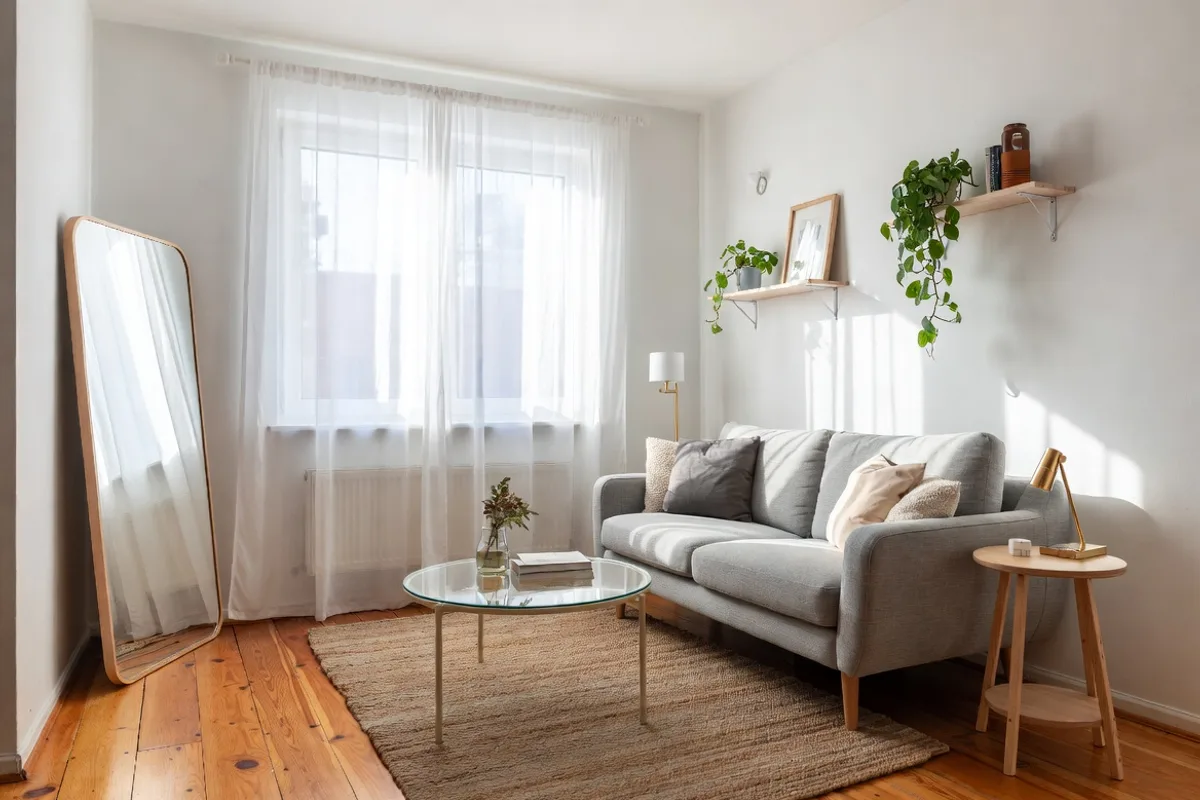
Furniture with exposed legs (rather than pieces that sit flush to the floor) visually lightens a room by showing floor space underneath. A sofa with slim legs feels much less heavy than a fully upholstered one that goes all the way to the ground. The same principle applies to coffee tables and accent chairs.
Prioritize Multi-Functional Pieces
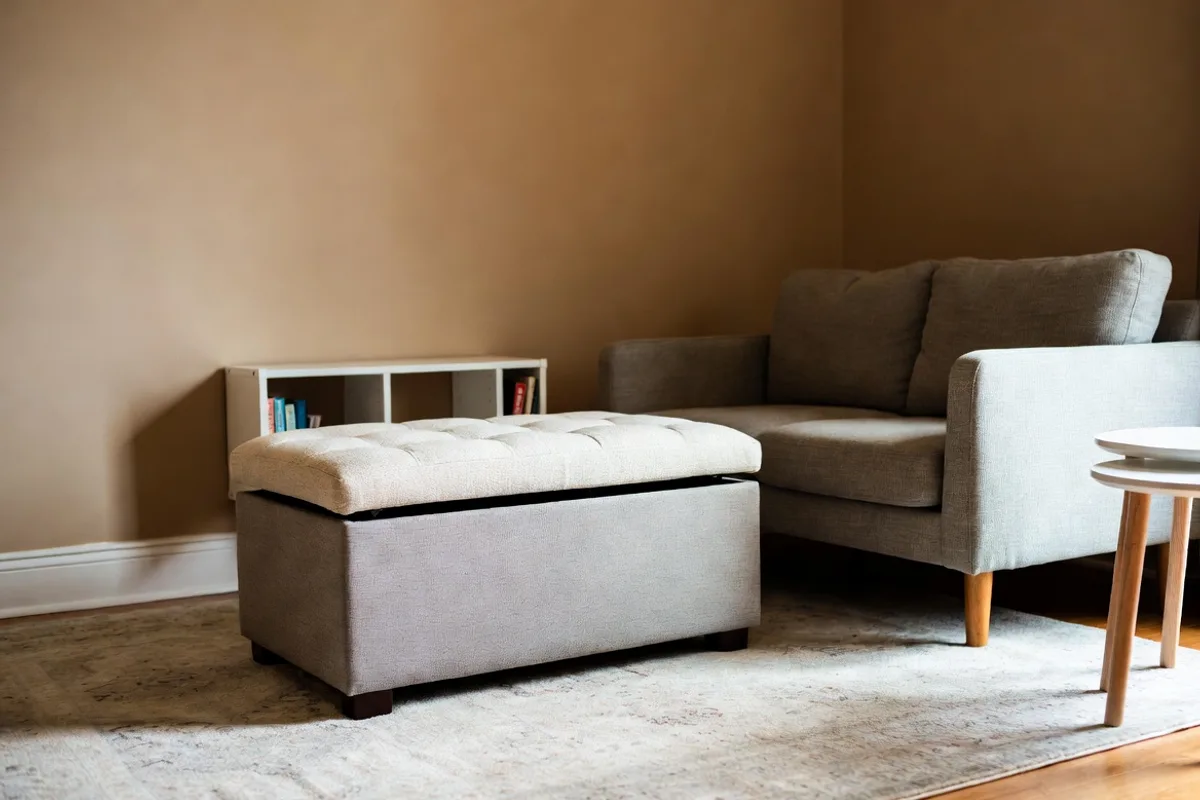
In a small apartment living room, every piece of furniture should pull double duty if possible. Consider a storage ottoman that acts as a coffee table, extra seating, and hidden storage all at once. A sofa with a pull-out bed transforms your living room into a guest room when needed. Nesting tables that tuck away are far more practical than a fixed side table taking up permanent real estate.
For more guidance on arranging your pieces once you’ve chosen them, check out this detailed guide on how to arrange furniture in a small living room — it covers seven practical layouts that work beautifully in tight spaces.
Keep the Coffee Table Smaller Than You Think
Most people buy coffee tables that are too large. In a small living room, aim for a table that’s roughly two-thirds the length of your sofa and leaves at least 18 inches of walking space between the table and the sofa edge. Glass or acrylic coffee tables are a classic trick because the transparency makes them virtually disappear visually.
Color, Paint, and Visual Space
Color is one of the most powerful — and most affordable — tools in your decorating arsenal. As a renter, you may or may not be able to paint, but even if your walls are stuck at builder-beige, you can use color strategically through furniture, rugs, pillows, and art.
Light, neutral tones such as soft white, warm cream, pale gray, and blush make walls feel farther away than they actually are. This isn’t just a design myth — it’s rooted in how light reflects off surfaces. Darker colors absorb light and pull walls inward, while lighter tones bounce light and push walls outward. That said, dark accent walls can work beautifully in small spaces when used intentionally on a single feature wall, adding depth without overwhelming the room.
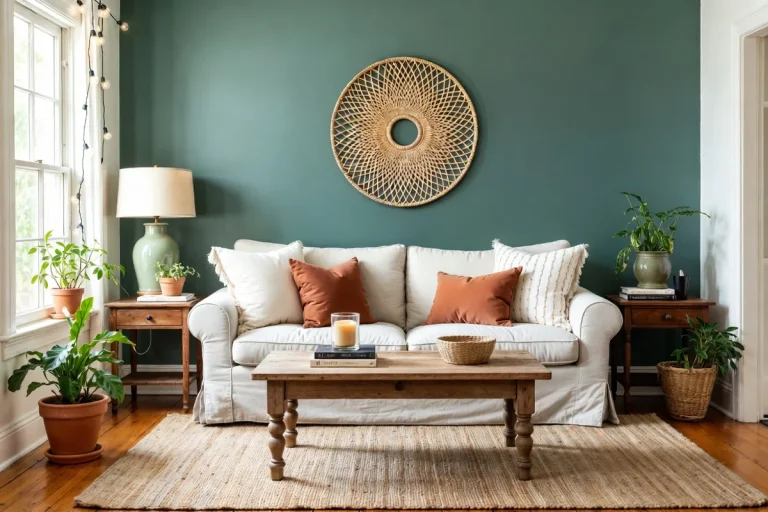
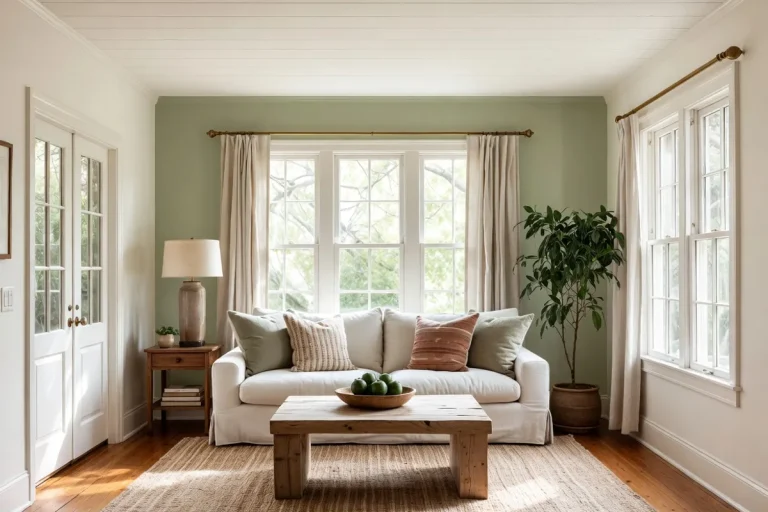
Stick to a palette of two to three colors maximum. A cohesive color story — say, soft white walls, warm wood tones, and a dusty sage accent — feels calm and intentional rather than chaotic. For a deeper dive into which colors actually work best in compact spaces, our guide on small living room color ideas that make rooms look bigger is packed with specific combinations worth bookmarking.
Common mistake to avoid: Using too many competing colors and patterns simultaneously. In a small room, busy patterns on the sofa, clashing throw pillows, and a bold patterned rug all fighting for attention creates visual chaos that makes the space feel smaller and more stressful.
Lighting Tips That Transform Small Rooms
Lighting might be the most underrated element in small apartment decorating, especially for beginners. Poor lighting makes even a beautifully decorated room feel dim, cramped, and uninviting. Great lighting can make a tiny room feel warm, airy, and significantly larger.
Layer Your Light Sources
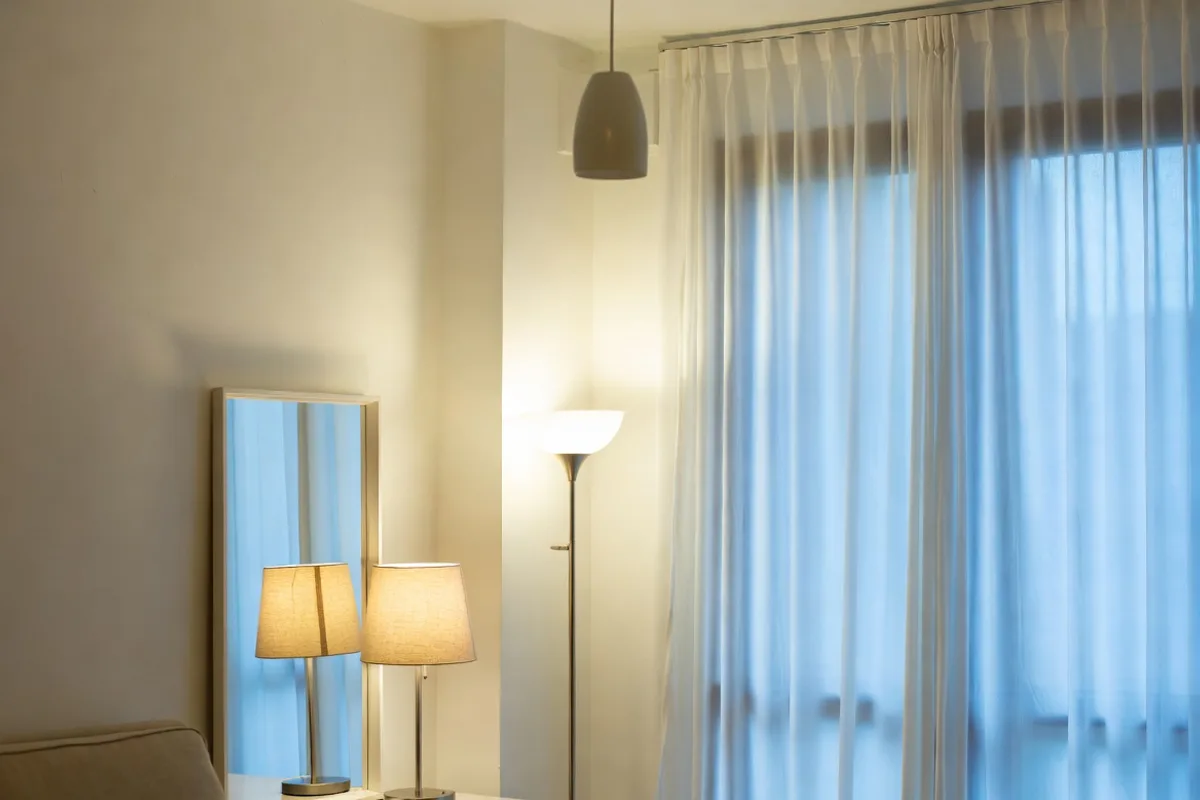
Relying on a single overhead light is the number one lighting mistake in apartments. Instead, aim for at least three light sources at different heights: an overhead fixture or pendant, a floor lamp in a corner, and a table lamp or two. This layering creates depth and warmth that a single overhead bulb simply cannot achieve.
Use Mirrors Strategically
Mirrors aren’t just for checking your outfit — in a small living room, a well-placed mirror essentially doubles the perceived size of the room by reflecting light and creating a sense of depth. Position a large mirror across from your main window to bounce natural light throughout the space. Leaner mirrors propped against a wall are a great renter-friendly option since they don’t require drilling.
Maximize Natural Light
Keep window treatments light and minimal. Heavy drapes that pool on the floor and block the window frame make small rooms feel suffocated. Opt for sheer linen curtains, Roman shades, or even no curtains at all if privacy allows. Hang curtain rods as close to the ceiling as possible and extend the rod several inches beyond the window frame on each side — this makes windows appear larger and lets more light in when curtains are open.
Make the Most of Your Vertical Space
When floor space is limited, think upward. Vertical space is almost always underutilized in small apartments, and tapping into it can completely transform how a room feels and functions.
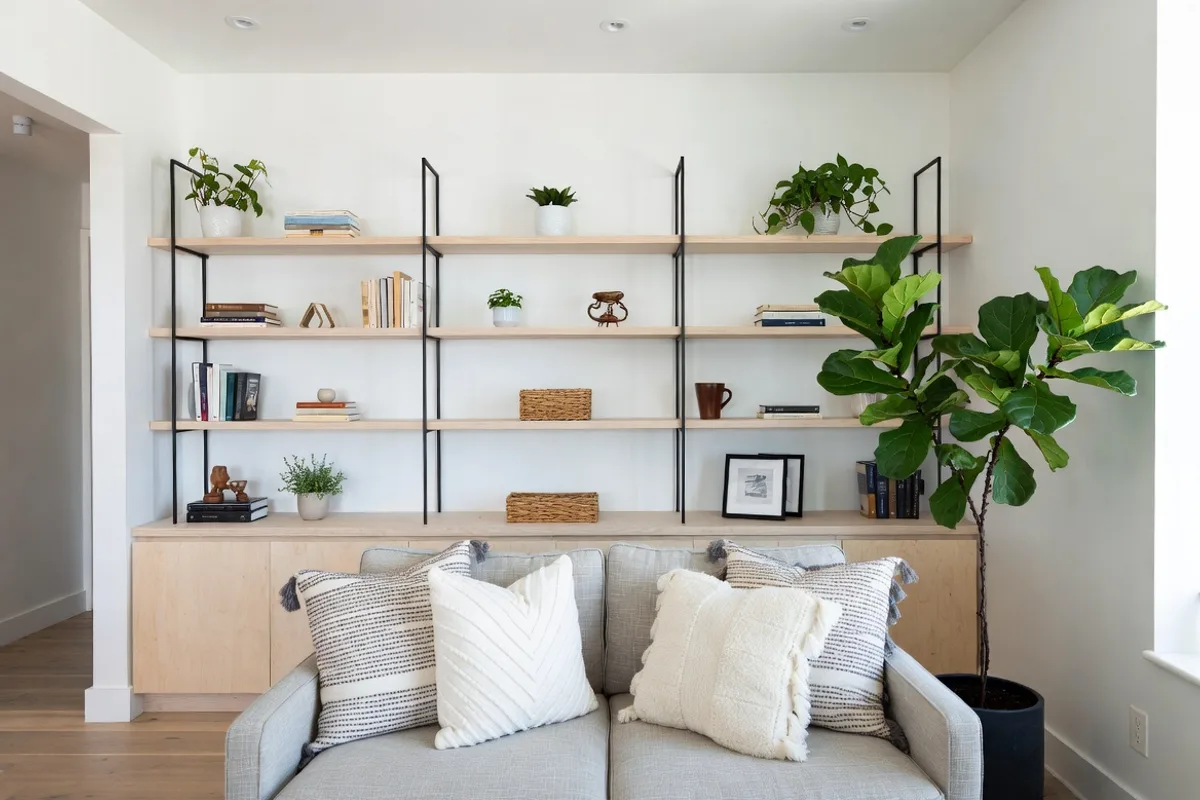
Install floor-to-ceiling shelving units to store books, plants, art, and decorative objects. Not only does this free up floor space, but tall vertical lines draw the eye upward and make ceilings feel higher. Floating shelves are another excellent option — they provide storage and display space without the visual weight of a large bookcase.
Hang artwork higher than you might instinctively think. The standard recommendation of hanging art at eye level works in larger rooms, but in small spaces, hanging pieces slightly higher and grouping them in vertical arrangements elongates the walls beautifully. For even more inspiration on making compact spaces feel surprisingly open, explore these small living room ideas that feel surprisingly spacious.
Pro tip: A tall, slender plant like a fiddle leaf fig or snake plant does double duty — it adds life and color while naturally drawing the eye upward, reinforcing the sense of vertical height.
Using Rugs and Textiles the Right Way
A rug anchors a living room and defines the seating area — but the wrong rug can make a small space feel even smaller. The most common beginner mistake? Buying a rug that’s too small. A tiny rug floating in the middle of the room looks like an afterthought and actually makes the room feel more fragmented.
In a small living room, choose a rug large enough that the front legs of all your main seating pieces can rest on it. This visually connects the furniture grouping and makes the entire space feel more cohesive and intentional. If budget is a constraint, a large neutral rug (like a simple jute or flat-weave option) is more affordable than a patterned one and tends to read as more spacious.
When it comes to throw pillows and blankets, keep patterns small-scale. Large, bold patterns on pillows in a tiny room compete too aggressively with the rest of the space. Opt for texture over pattern — a chunky knit throw or velvet pillow adds richness without visual noise.
Renter-Friendly Decor Tricks
Decorating a rental comes with real constraints — no permanent holes in the walls (or at least, limited ones), no painting (in many cases), and the constant awareness that you’ll likely be moving again at some point. The good news is that renter-friendly decorating has never been easier or more stylish.
Command Strips and Damage-Free Hardware
Command strips have come a long way. You can now hang significant artwork, shelves, and even curtain rods without a single screw. Look for heavy-duty versions rated for the weight of what you’re hanging, and always follow the application instructions carefully for the cleanest removal later.
Removable Wallpaper and Peel-and-Stick Options
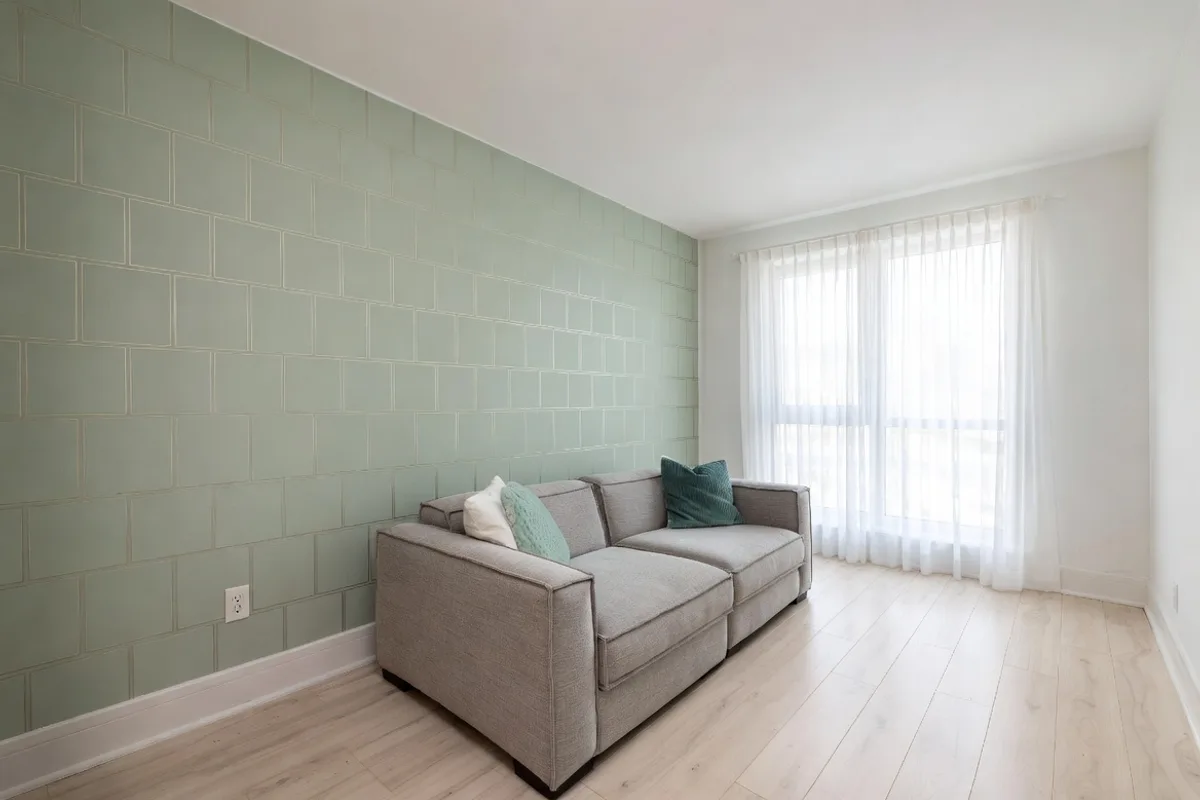
Want to add a bold pattern or a textured accent wall? Removable wallpaper has become incredibly high-quality and realistic-looking. It peels off cleanly without damaging drywall and is a legitimate game-changer for renters who want personality in their space without risking their security deposit.
Furniture That Moves With You
Invest in quality pieces that will work in multiple spaces and apartments. A neutral sofa, a versatile bookshelf, and a well-made dining table will serve you across multiple moves, while hyper-specific or built-in pieces are money wasted on a rental. Think modular and adaptable.
Frequently Asked Questions
What is the best sofa size for a small apartment living room?
For most small apartment living rooms, a sofa between 72 and 84 inches long is the sweet spot. Anything larger tends to dominate the room and limit traffic flow. If your space is truly tiny (under 150 square feet), look for a loveseat or an apartment-sized sofa specifically designed for compact spaces. Always measure twice before purchasing and use painter’s tape on the floor to visualize the footprint.
How do I make my small living room look bigger without painting?
There are several effective ways to create the illusion of more space without touching the paint. Use large mirrors to reflect light and depth. Choose furniture with slim profiles and exposed legs. Keep the color palette light and cohesive using rugs, pillows, and textiles. Add floor-to-ceiling curtains hung near the ceiling to elongate walls. Maximize natural light by keeping window treatments minimal and sheer.
What type of rug works best in a small living room?
The key is to size up rather than down. Choose a rug large enough so that at least the front legs of your sofa and chairs rest on it, which unifies the seating area and makes the space feel larger. In terms of style, low-pile or flat-weave rugs in neutral tones tend to read as more open and spacious than thick, heavily patterned options. Light-colored rugs also help reflect light throughout the room.
Can I use dark colors in a small apartment living room?
Absolutely — with intention. A dark accent wall on a single feature wall can add depth and drama without making the whole room feel cave-like. Dark furniture pieces can also work beautifully if the rest of the room is kept light and bright. The key is balance: pair dark elements with plenty of light tones, reflective surfaces, and good lighting to prevent the space from feeling closed in.
Conclusion
Decorating a small apartment living room as a beginner doesn’t have to feel overwhelming. By starting with a solid plan, choosing appropriately scaled furniture, working with light and color strategically, and embracing renter-friendly solutions, you can create a space that genuinely feels like home — no matter how many square feet you’re working with. The key is to make intentional choices rather than impulsive ones, and to remember that constraint often breeds the most creative, personality-packed spaces.
Ready to take the next step? Start by measuring your room today, sketch out your ideal layout, and commit to a simple two-to-three color palette. Small changes made with intention add up to a living room that’s warm, functional, and entirely yours. If you’re looking for more inspiration, our roundup of small living room ideas that feel surprisingly spacious is a great next stop on your decorating journey.